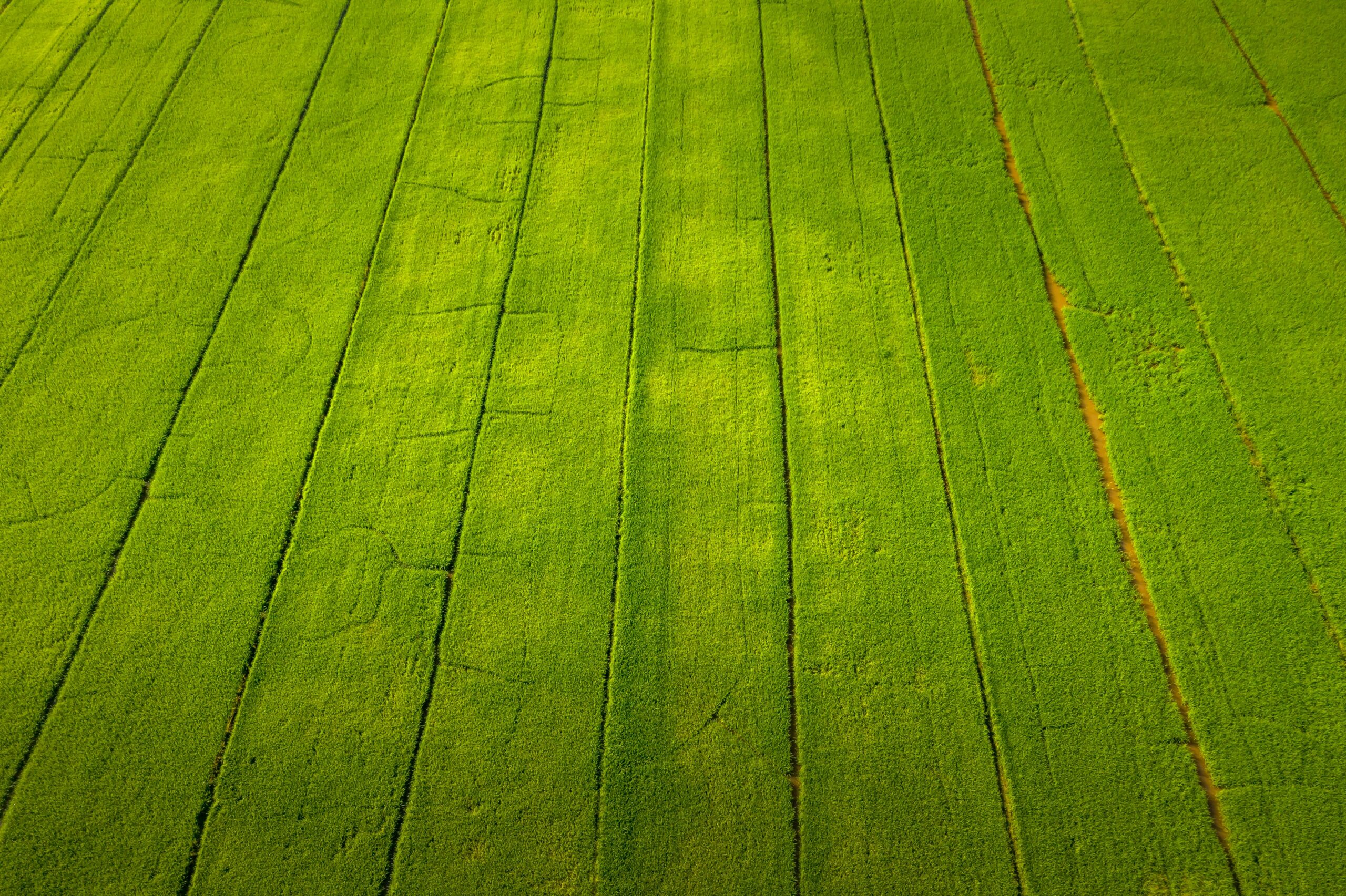
From satellite data to harvesting robots, artificial intelligence is transforming fields into ecosystems of information. Discover how precision farming, smart sensors and predictive algorithms are changing the way we grow food on our planet.
For millennia, agriculture has been governed by empirical observation, tradition, and a good dose of weather-related luck. Today, artificial intelligence is rewriting these rules, transforming cultivated fields into genuine data hubs capable of predicting, optimizing and protecting every stage of food production.
Precision Farming Takes Shape
Thanks to IoT sensors scattered across farmland, satellite imagery, and drones equipped with multispectral cameras, AI algorithms can now analyze plant health down to the centimeter. This approach, known as precision agriculture, makes it possible to:
- Detect early signs of water stress or nutrient deficiencies
- Calculate the exact amount of water and fertilizer needed
- Predict optimal harvest timing to maximize quality and yield
- Reduce resource waste by up to 30% compared to traditional methods
Robots That Recognize Plants
One of the most fascinating developments involves agricultural robots equipped with computer vision. These machines can distinguish a healthy plant from a diseased one, a ripe fruit from an unripe one, and even a weed from a valuable crop. Specialized companies have already introduced robotic arms capable of picking strawberries or tomatoes with the delicacy of a human hand, working around the clock without ever getting tired.
At the same time, intelligent weeding systems use neural networks to identify invasive plants and apply herbicides only where necessary, drastically reducing chemical use and its environmental impact.
Climate Forecasting and Risk Management
Machine learning models, trained on decades of meteorological and agronomic data, can now predict extreme weather events such as late frosts, heat waves, or heavy rainfall with increasing accuracy. This allows farmers to plan preventive interventions, such as early irrigation or the installation of protective netting, reducing economic losses linked to unpredictable phenomena.
Soil management also benefits enormously from these tools: predictive algorithms analyze the chemical composition of the land and suggest crop rotations capable of preserving fertility over the long term.
Smart Livestock Farming
AI isn’t limited to cultivated fields. In the livestock sector, smart collars and cameras continuously monitor animal health, detecting early signs of illness or stress through behavioral and vital sign analysis. This proactive approach improves animal welfare and reduces antibiotic use, with both ethical and economic benefits.
Challenges to Overcome
Despite the progress, adopting these technologies isn’t without obstacles. The initial cost of equipment, the need for stable internet connectivity even in remote rural areas, and the digital literacy required of farmers represent significant barriers, especially in developing countries.
Several international organizations are working to make these technologies more accessible, developing low-cost solutions and targeted training programs, convinced that smart agriculture is a fundamental lever for ensuring global food security.
Toward Sustainable and Productive Farming
With a growing world population and increasingly limited natural resources, the integration of artificial intelligence and agriculture is no longer optional but necessary. Algorithms are becoming indispensable allies for growing more with fewer resources and a significantly reduced environmental impact: a quiet revolution that grows, quite literally, from the ground up.