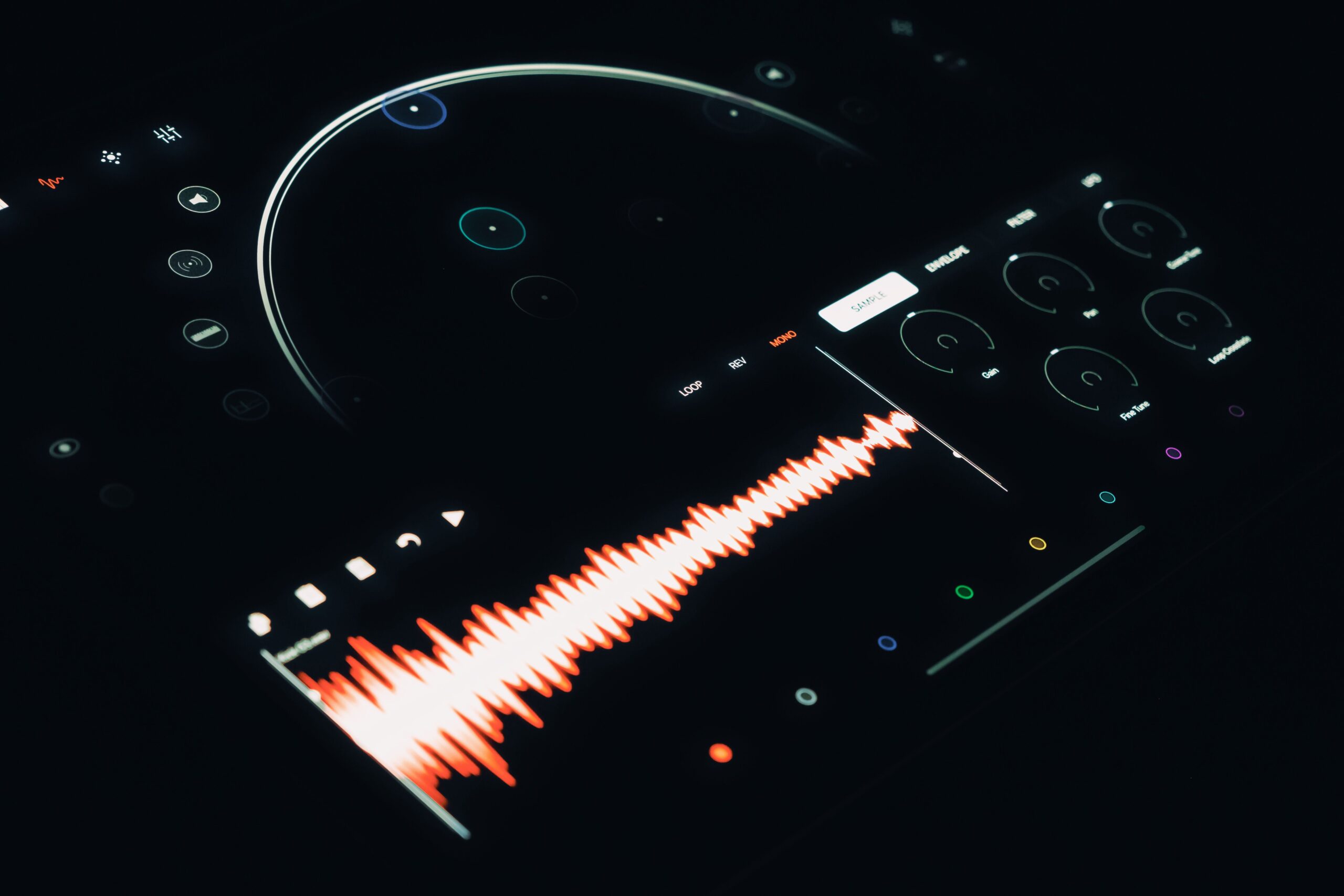
From neural network-generated compositions to AI-assisted music production, artificial intelligence is redefining how musicians and enthusiasts create and experience sound. A journey through innovative tools, artistic opportunities, and open questions about the future of musical creativity.
Music has always been considered one of the most intimate and profoundly human territories of creativity. Yet in recent years, artificial intelligence has begun composing, arranging, and even improvising, opening scenarios that until recently belonged to science fiction. Algorithms capable of analyzing thousands of songs are now generating original melodies, soundtracks, and even complete songs, raising fascinating questions about what it truly means to “create” music.
Tools like Google’s MusicLM, Suno, and Udio allow anyone to transform a simple text description into a complete track, with vocals, instruments, and coherent harmonic structure. These systems rely on deep learning models trained on massive musical datasets, capable of recognizing rhythmic patterns, harmonic progressions, and production styles typical of different genres, from jazz to electronic music, from classical to contemporary pop.
A Tool to Amplify Human Creativity
Contrary to what one might think, many professional musicians don’t see AI as a threat, but as a creative ally. The technology allows them to:
- Quickly generate melodic sketches to develop further
- Experiment with novel sound combinations without technical constraints
- Create complex orchestral arrangements without needing an entire orchestra
- Produce customized soundtracks for videos, podcasts, and digital content
- Overcome creative blocks through unexpected algorithmic suggestions
Artists like Holly Herndon have actively explored human-machine collaboration, training AI models on their own voice to create impossible duets with herself, while electronic music producers use generative networks to explore sound textures never heard before.
Ethical and Creative Challenges
This revolution is not without controversy. The copyright debate is particularly heated: when an AI is trained on protected works without the consent of authors, who holds the rights to the generated music? Numerous lawsuits are already underway between record labels and tech companies, and the issue remains legally unresolved in many countries.
There’s also a more philosophical concern: if an algorithm can compose a symphony in seconds, what remains of the value of human artistic expression, the fruit of years of study, suffering, and lived experience? Many critics point out that AI-generated music, however technically flawless, often lacks the authentic emotional tension born from human vulnerability.
Toward a New Sonic Aesthetic
Beyond the controversies, AI is helping democratize music production. People without technical training can now express musical ideas that previously required years of instrumental study or expensive recording studios. Small independent labels and individual creators use these tools to compete with major label productions, partially leveling the playing field in the music industry.
The future likely won’t see AI replacing musicians, but rather redefining their role: from technical performers to curators and artistic directors of hybrid creative processes, where human intuition guides and selects among infinite algorithmically generated possibilities. The real challenge will be keeping alive the emotional authenticity that makes music a universal language, even when notes are born from mathematical calculation rather than a beating heart.