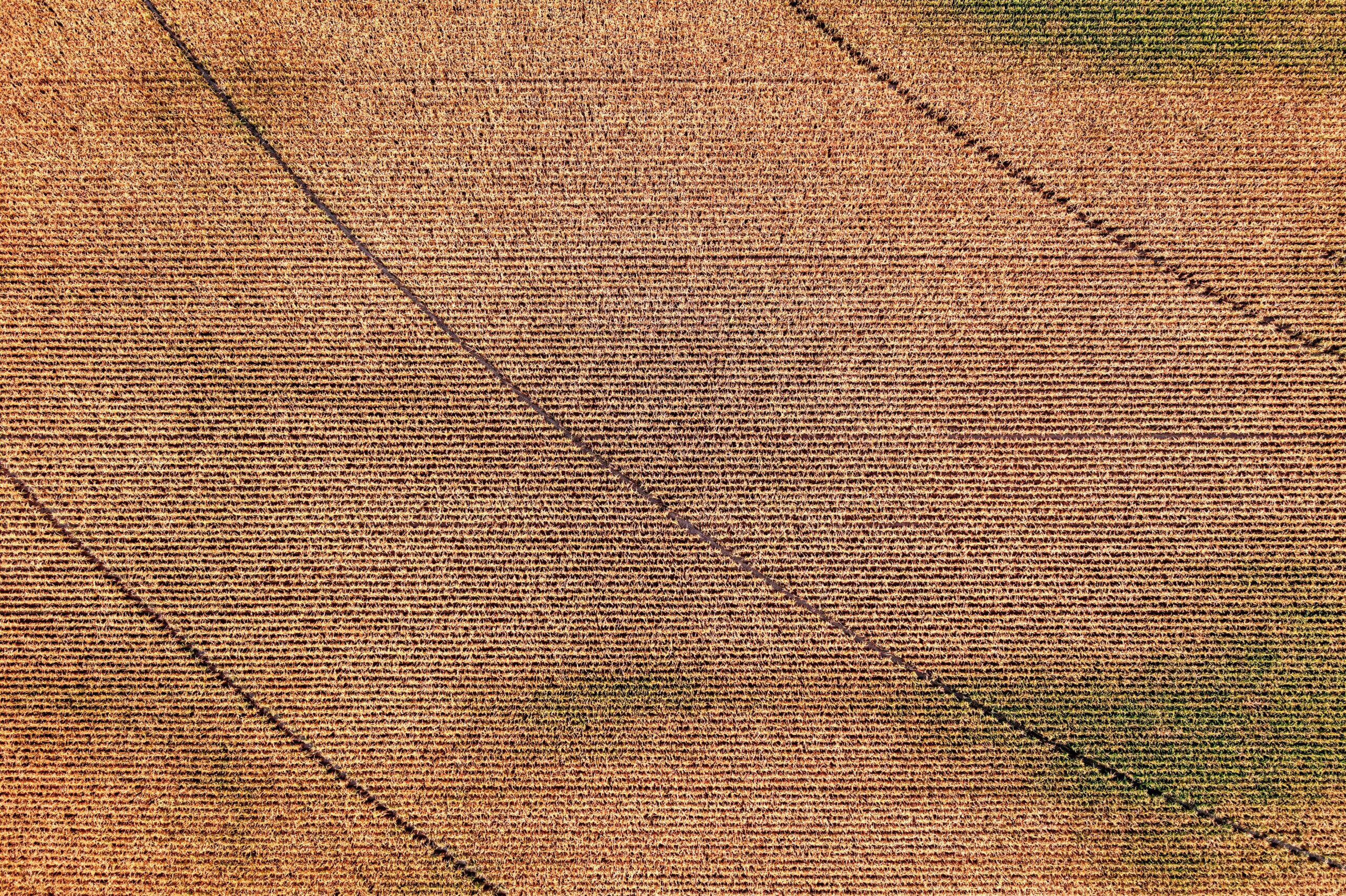
From drones mapping fields to sensors predicting plant diseases, AI is transforming agriculture into a precision science. Let’s explore how this quiet revolution is boosting yields, cutting waste, and tackling the global food security challenge.
Agriculture is one of humanity’s oldest activities, yet today it stands at the center of an unprecedented technological transformation. Artificial Intelligence is changing how we grow, harvest, and distribute food, addressing crucial challenges like climate change, resource scarcity, and rising global food demand.
Precision Agriculture: Data Instead of Guesswork
Precision agriculture uses sensors, satellite imagery, and drones to collect vast amounts of data on every single plot of land. Machine learning algorithms analyze this data to determine exactly how much water, fertilizer, or pesticide is needed at each specific point in the field, reducing waste and environmental impact.
- Multispectral drones detecting plant water stress before it’s visible to the human eye
- Soil sensors monitoring humidity, pH, and nutrients in real time
- Smart irrigation systems that activate only when necessary
Predicting Diseases Before They Spread
One of the most promising aspects of AI in agriculture is its predictive capability. Models trained on millions of images of diseased leaves can identify pathogens and pests at early stages, simply by analyzing a photo taken with a smartphone. This allows farmers to intervene promptly, limiting pesticide use only to actually affected areas.
- Visual recognition apps for real-time plant disease diagnosis
- Predictive models combining weather and historical data to anticipate outbreaks
- Early warning systems shared among agricultural cooperatives
Robots and Automation in the Fields
Labor shortages in agriculture across many regions of the world have accelerated the adoption of autonomous robots. Intelligent machines can now recognize and harvest ripe fruit, distinguish weeds from crops, and even prune trees with millimeter precision, working around the clock without fatigue.
- Harvesting robots equipped with computer vision to select ripe fruit
- Self-driving tractors optimizing planting routes
- Robotic arms for selective weeding without chemical herbicides
Optimizing the Supply Chain
AI doesn’t stop at the field: it also intervenes in post-harvest logistics. Predictive algorithms analyze market demand, weather conditions, and storage capacity to reduce food waste, one of the most serious problems in the global supply chain. It’s estimated that nearly a third of the food produced worldwide is wasted: data-driven optimization can reverse this trend.
Challenges Ahead
Despite the enormous potential, AI adoption in agriculture faces concrete obstacles: high technology costs, the need for internet connectivity in rural areas, and cultural resistance to change. Bridging the digital divide between large industrialized farms and small producers will be essential to ensure the benefits of this revolution are equitably distributed.
The future of agriculture will likely be a hybrid of farming wisdom passed down through generations and cutting-edge artificial intelligence. Only by uniting these two worlds can we feed a growing world population while preserving our planet’s natural resources.