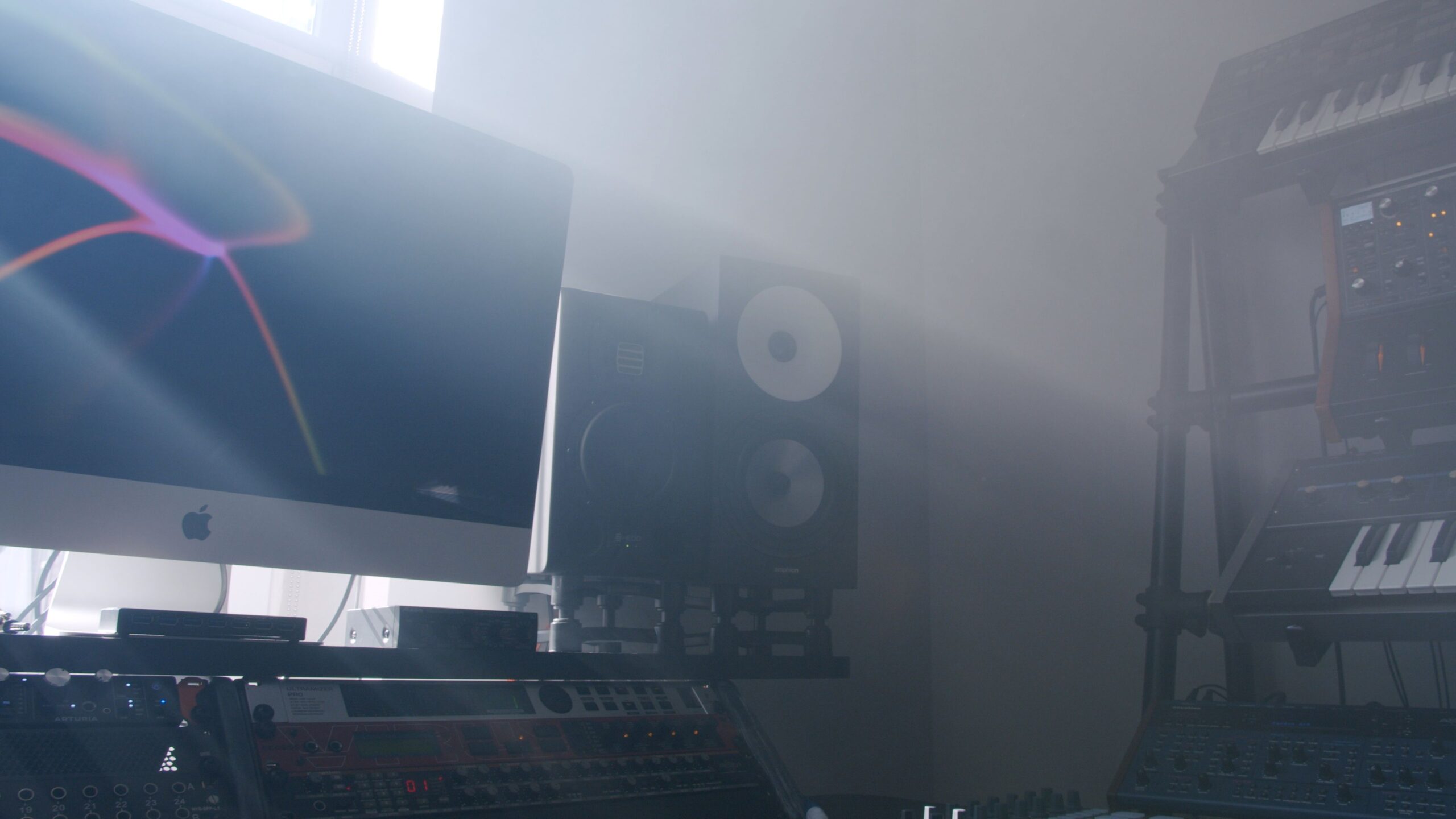
From analyzing millions of tracks to generating original compositions, AI is transforming how music is created, produced, and distributed. A journey through innovative tools, new professions, and the ethical challenges of artificial creativity.
Music, long considered one of the most intimate territories of human creativity, is undergoing a profound transformation thanks to artificial intelligence. Algorithms capable of analyzing harmonic, rhythmic, and melodic patterns are becoming everyday tools for composers, producers, and enthusiasts, opening scenarios that were unimaginable just a few years ago.
Composing with the Help of Machines
Platforms like AIVA, Amper Music, and Soundraw now allow users to generate complete tracks starting from simple parameters: genre, mood, duration, instrumentation. These systems, trained on vast databases of scores and recordings, can produce soundtracks for videos, podcasts, and video games in minutes, democratizing access to professional music composition.
This isn’t just about replacing composers, but often about supporting them: many musicians use AI as an ideation tool, generating melodic sketches or chord progressions as starting points for developing their own creative work.
Intelligent Music Production
Beyond composition, AI is also revolutionizing production and mastering stages. Tools like LANDR use machine learning to analyze a track and automatically apply equalization, compression, and balancing, achieving professional results without the need for a specialized sound engineer.
- Audio track separation (stem separation) to isolate vocals and instruments from existing recordings
- Automatic vocal harmony generation
- Restoration of damaged or low-quality historical recordings
- Real-time creation of personalized remixes
AI in Music Listening and Discovery
Another area where artificial intelligence plays a crucial role is recommendations. Streaming platforms like Spotify use sophisticated algorithms to analyze listening habits and suggest tracks, artists, and personalized playlists, helping shape the musical tastes of millions of users worldwide.
These systems don’t just observe past behaviors; they are increasingly capable of understanding the emotional and situational context of the listener, suggesting music suited to a workout, a study session, or a relaxing evening.
New Professions and Ethical Questions
The entry of AI into the music world is generating new professional figures, such as the “prompt musician” or sound designer specialized in generative tools. At the same time, important questions are emerging regarding copyright: who owns a track generated by an algorithm trained on copyrighted works?
Numerous record labels and artists are negotiating agreements for the ethical use of their catalogs in model training, while legislators in various countries are working on specific regulations to protect both human authors and technological innovation.
A Tool, Not a Replacement
Despite extraordinary progress, most experts agree that AI is unlikely to completely replace the human and emotional component of music. Rather, it stands as a powerful tool that amplifies creative capabilities, reduces technical barriers, and opens new expressive pathways.
The future of music thus seems to be shaping up as an increasingly close collaboration between human artistic intuition and computational power, where the algorithm becomes a travel companion in the search for the perfect sound.