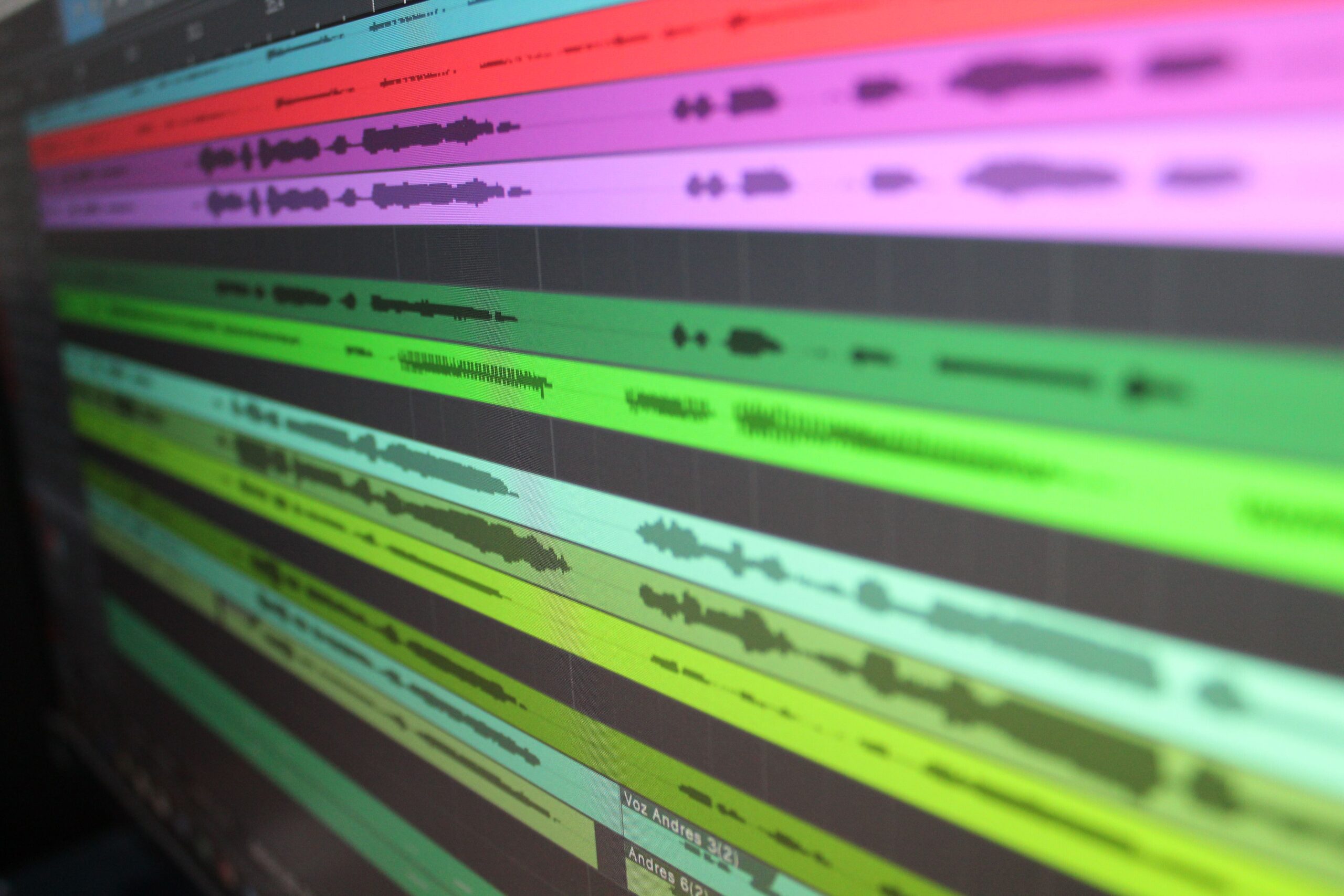
AI is radically transforming how music is composed, produced, and distributed, opening new creative possibilities for artists and enthusiasts alike. From algorithmically generated compositions to AI-assisted production tools, we explore how this technology is redefining the music industry.
In recent years, artificial intelligence has made a powerful entrance into the world of music, transforming every stage of the creative process: from composition to production, all the way to distribution and talent discovery. What once required years of musical study and expensive instruments can now be supported—or even replaced—by algorithms capable of generating melodies, harmonies, and even complete lyrics.
Tools like AIVA, Amper Music, and Soundraw allow anyone, even without specific musical skills, to create original tracks in just minutes. These systems analyze thousands of existing compositions to learn harmonic, rhythmic, and melodic patterns, then generate new works that match specific styles or genres requested by the user.
AI-Assisted Composition
Professional composers are increasingly integrating AI into their workflow as a creative support tool. Advanced platforms can suggest chord progressions, generate melodic variations, or even compose entire orchestral sections based on simple text inputs or starting notes provided by the musician.
- Automatic generation of musical backing tracks for soundtracks and multimedia content
- Assistance in lyric writing through advanced language models
- Creation of customized orchestral arrangements
- Voice synthesis for demos and independent productions
Reinventing Music Production
Beyond composition, AI is also revolutionizing music production. Intelligent mastering software like LANDR automatically analyzes a track and applies equalization, compression, and other effects to achieve a professional sound, democratizing access to techniques previously reserved for expensive studios and experienced sound engineers.
Audio track separation technologies, based on deep neural networks, also allow isolating vocals, bass, drums, and other instruments from an already completed mix, opening extraordinary possibilities for remixing, sampling, and music study.
New Forms of Artistic Expression
Some artists are exploring AI not merely as a technical tool, but as a genuine creative collaborator. The musical duo Yacht released an entire album co-composed with neural networks, while experimental musicians use algorithmic generators to create soundscapes impossible to conceive with traditional methods.
This human-machine collaboration raises fascinating questions about the very nature of creativity: can an algorithm be considered a true author? The most widespread answer in the industry is that AI works best as an amplifier of human artistic vision rather than a complete substitute for the composer.
Challenges and Ethical Considerations
The rise of algorithmically generated music brings with it important legal and ethical questions. The copyright debate is becoming increasingly heated: who owns the rights to a track composed by an AI trained on thousands of existing works? Many record labels are negotiating new legal frameworks to protect original artists while recognizing the value of AI-assisted compositions.
Despite these challenges, the future of music seems destined for an increasingly deep integration between human creativity and artificial intelligence, paving the way for new genres, unprecedented sounds, and forms of artistic collaboration that today we can only imagine.