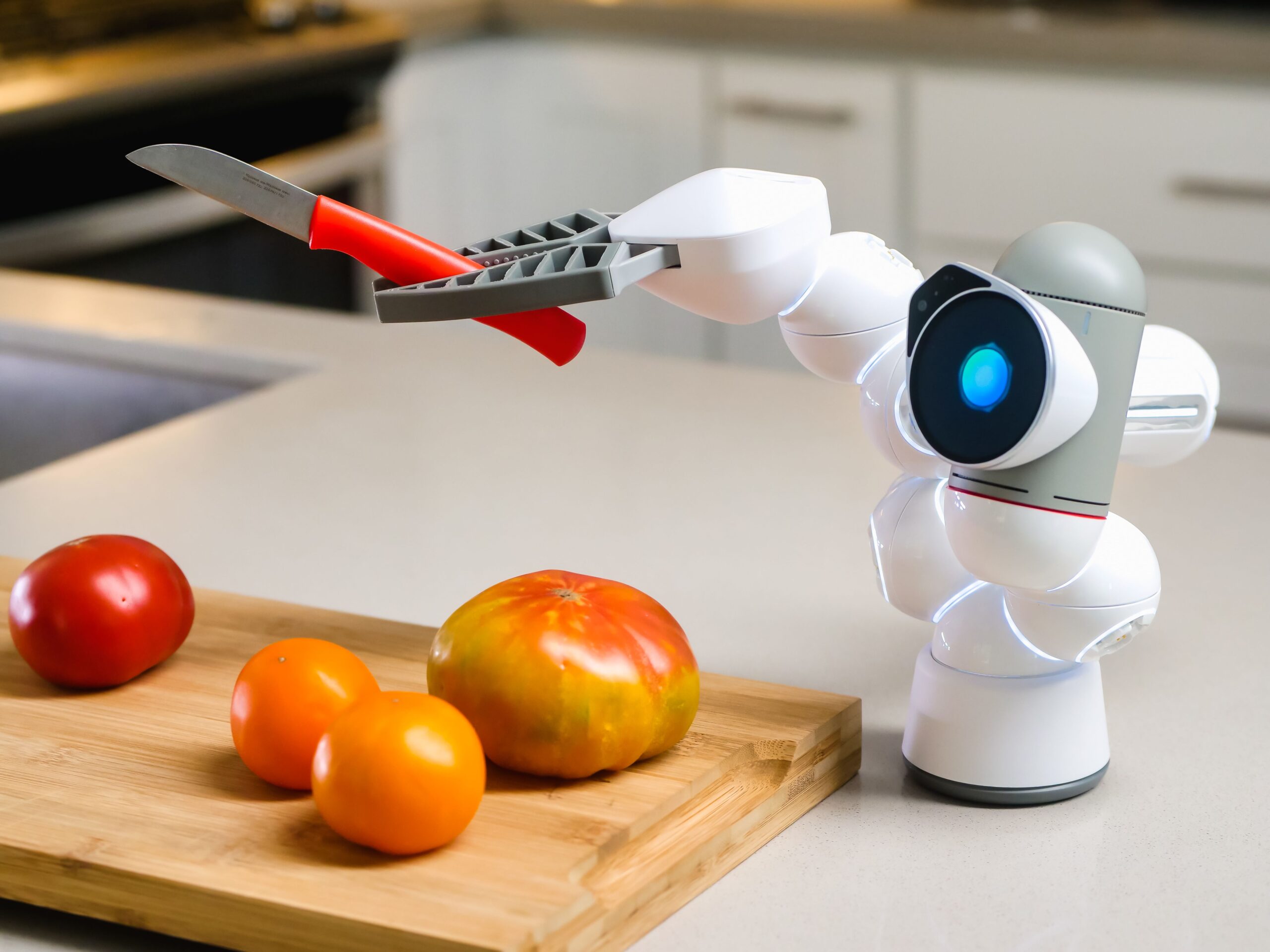
From robot chefs to apps that create personalized recipes based on what’s in your fridge, AI is transforming how we cook and eat. A journey through culinary innovation and technology applied to taste.
Cooking, an ancient art built on intuition, experience, and sensitivity, is undergoing a quiet revolution thanks to artificial intelligence. This goes far beyond smart appliances—we’re now seeing systems capable of creating recipes, optimizing production processes, and even predicting human taste preferences.
In recent years, platforms have emerged that generate original recipes by analyzing millions of ingredient combinations, flavor pairings, and cooking techniques. These systems don’t simply repeat known patterns; they learn to recognize which chemical combinations of aromas are pleasing to the human palate, paving the way for dishes never imagined before.
Robot Chefs and Automated Kitchens
In the most cutting-edge restaurants, robotic arms guided by computer vision algorithms are already preparing burgers, pizzas, and even gourmet dishes with millimetric precision. These systems never tire, never miscalculate portions, and can operate 24 hours a day, ensuring consistent quality.
- Automatic cooking control through intelligent thermal sensors
- Precise ingredient dosing to reduce waste
- Recipe adaptation based on customer allergies and intolerances
- Real-time analysis of raw material quality
Personalizing the Culinary Experience
One of the most fascinating aspects is personalization. Machine learning-based apps can now suggest tailor-made menus by analyzing data such as lifestyle, nutritional goals, personal tastes, and even gut microbiome composition. Some systems let users photograph the contents of their fridge and receive recipe suggestions within seconds to avoid food waste—a problem that costs billions of euros globally every year.
The world of sommelier expertise is also benefiting from this revolution: algorithms trained on thousands of food-wine pairings can suggest the perfect combination, taking into account acidity, structure, and aromatic intensity of dishes.
Innovation in the Food Industry
Major food companies are using AI to develop new products in record time. Instead of relying solely on sensory tests with human panels, predictive models can simulate how a new snack or beverage will be perceived by consumers, drastically reducing research and development costs.
Sustainability also finds space in this revolution: algorithms optimize supply chains to reduce waste, calculate the carbon footprint of dishes served in restaurants, and suggest plant-based alternatives that faithfully replicate the taste and texture of meat.
Challenges Ahead
Despite the enormous benefits, important questions remain. How authentic is a recipe generated by an algorithm? What role will human creativity play in an increasingly automated future? And how can we ensure these technologies remain accessible to small culinary businesses, not just large chains?
What seems certain is that artificial intelligence won’t replace the chef, but will become a powerful creative ally, capable of expanding the boundaries of culinary experimentation while preserving the authentic pleasure of the table.