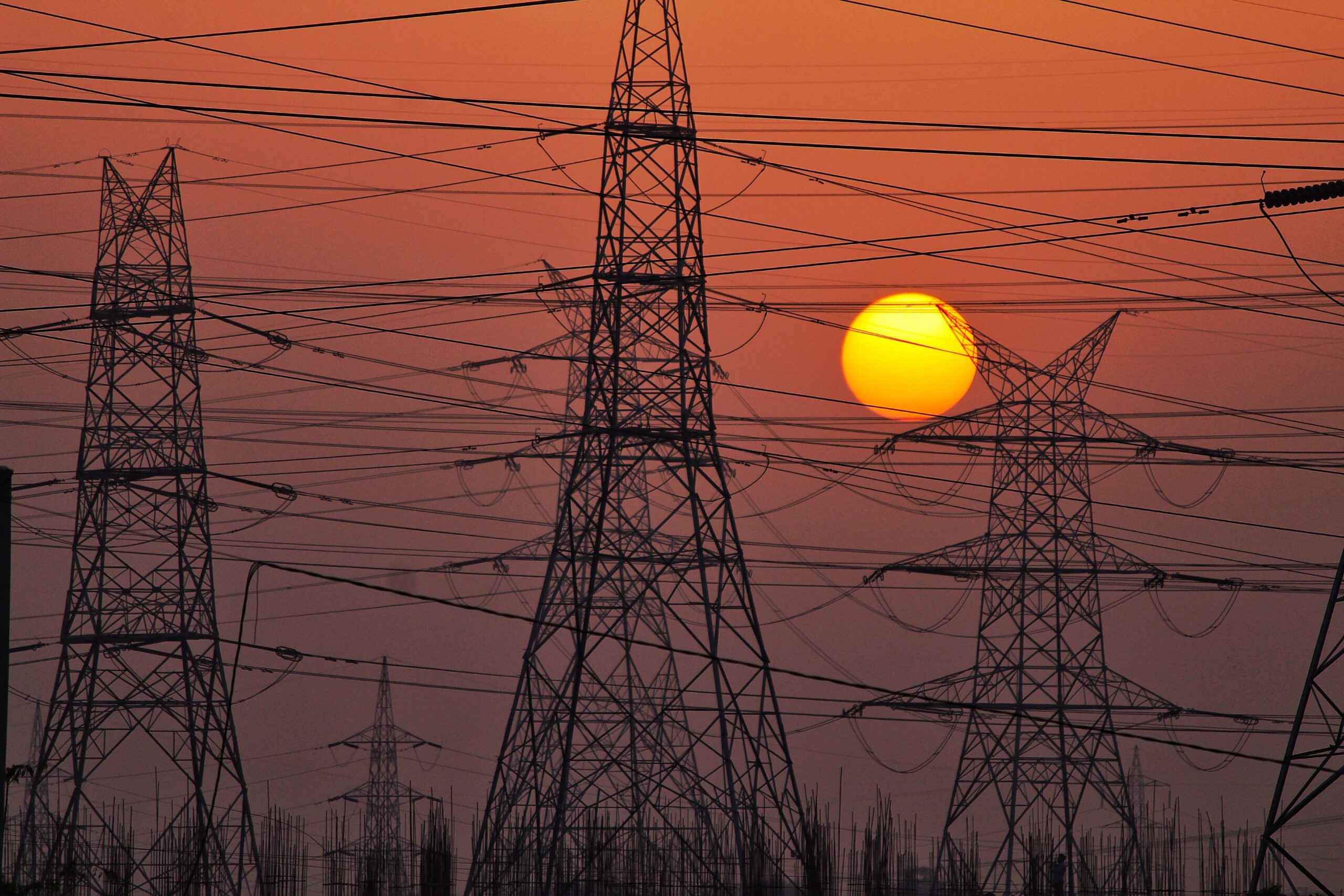
AI is revolutionizing the energy sector, optimizing power grids, forecasting demand, and integrating renewable sources with increasing efficiency. An analysis of the trends shaping the future of smart energy.
The energy sector is undergoing a profound transformation, driven by the urgency of ecological transition and the growing complexity of distribution networks. In this scenario, artificial intelligence emerges as a key tool for managing increasingly decentralized and variable systems, where thousands of renewable sources feed energy into the grid in unpredictable ways.
Smart grids represent perhaps the most mature application of this revolution. Machine learning algorithms analyze data in real time from millions of sensors, automatically balancing production and consumption, reducing waste, and preventing blackouts. This capacity for continuous adaptation is essential in a world where solar and wind power, intermittent by nature, represent a growing share of the energy mix.
Demand Forecasting and Consumption Optimization
One of AI’s most significant contributions concerns its ability to accurately predict energy demand. Predictive models analyze variables such as weather conditions, historical trends, seasonal events, and even behavioral data to anticipate consumption peaks hours or days in advance.
- Waste reduction through more precise management of energy reserves
- Dynamic pricing optimization based on real demand
- Predictive maintenance of infrastructure, avoiding costly failures
- Automatic balancing between renewable and traditional sources
Energy companies are also using artificial intelligence systems to optimize building efficiency, automatically adjusting heating, lighting, and air conditioning based on occupancy, schedules, and external conditions. This approach, applied at scale, can generate significant energy savings without compromising user comfort.
Renewable Integration and Storage Management
One of the most complex challenges of the energy transition concerns the efficient integration of intermittent renewable sources. Here AI plays a crucial role, coordinating distributed production with storage systems, such as large-scale batteries, to ensure continuity of supply even when sun and wind are unavailable.
Advanced algorithms determine the optimal moment to store or release energy, maximizing economic efficiency and reducing dependence on fossil fuels during peak periods. This intelligent orchestration between production, storage, and consumption is redefining the entire architecture of national energy systems.
Toward Autonomous and Decentralized Grids
Looking to the future, the trend is toward increasingly autonomous energy grids capable of self-regulating without constant human intervention. Smart microgrids, small local networks that can operate independently from the main grid, represent a concrete example of this evolution, particularly useful in remote areas or those subject to frequent outages.
Naturally, this transformation also raises important questions: cybersecurity of critical infrastructure, transparency of decision-making algorithms, and equitable access to technology across all territories. Governments and companies will need to address these challenges with adequate regulations and targeted investments.
Artificial intelligence is not the solution to all energy problems, but it represents a fundamental tool for building more efficient, resilient, and sustainable systems. The challenge of the coming years will be to integrate this technology responsibly, balancing innovation, security, and energy justice for all.