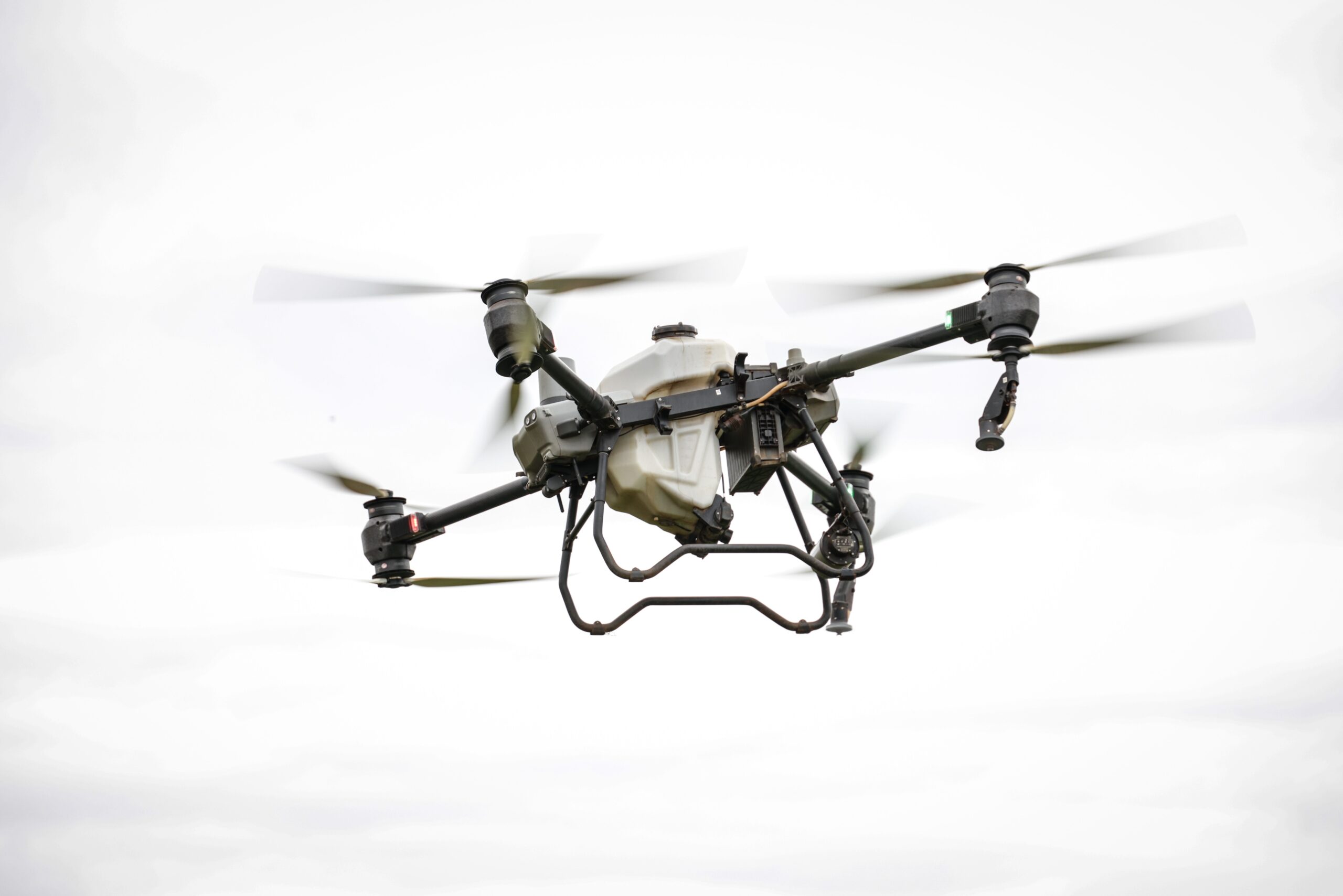
Drones, IoT sensors, and machine learning algorithms are transforming fields into digital precision ecosystems. Discover how AI-driven precision agriculture reduces waste, boosts yields, and tackles the challenges of climate change.
For millennia, agriculture has been guided by knowledge passed down through generations, by observation of the sky, and by an empirical understanding of the soil. Today, this ancestral wisdom is joined by a new, silent ally: artificial intelligence. In fields around the world, sensors, drones, and satellites are collecting vast amounts of data that sophisticated algorithms transform into concrete decisions, giving rise to what is known as precision agriculture.
The underlying principle is simple: every square meter of land differs from the next. Moisture, soil composition, sun exposure, and pest presence vary even within the same field. AI makes it possible to analyze these variations at a granular scale and intervene in a targeted way, rather than applying uniform treatments across entire cultivated areas.
The Technologies Behind the Revolution
Several technologies work in synergy to make this quiet revolution possible:
- Multispectral drones: fly over fields capturing images that reveal plant health status before symptoms are even visible to the human eye.
- IoT soil sensors: measure moisture, temperature, and nutrient levels in real time, sending continuous data to cloud platforms.
- Computer vision: AI algorithms automatically identify weeds, leaf diseases, and water stress by analyzing images captured by fixed or mobile cameras.
- Predictive models: by cross-referencing weather data, historical yields, and soil characteristics, they forecast future harvests and disease risks weeks in advance.
- Autonomous robots: perform selective mechanical weeding and automated harvesting, reducing dependence on seasonal labor and chemical pesticides.
A Concrete Impact on Sustainability
The benefits of this approach go beyond economics. Precision irrigation, guided by algorithms that calculate the exact water needs of each crop, can cut water consumption by up to 30%, an increasingly precious resource on a planet marked by drought. Similarly, the targeted distribution of fertilizers and pesticides limits groundwater pollution and reduces costs for farmers.
Farms that have adopted these solutions report productivity increases ranging from 10% to 25%, along with a significant reduction in waste. It’s no surprise that major tech players and agritech startups are investing heavily in this sector, sensing a rapidly expanding global market.
Challenges Ahead
Despite its potential, AI adoption in agriculture faces concrete obstacles. The initial cost of technological infrastructure can be prohibitive for small family farms, which still represent the majority of global agricultural production. Internet connectivity in rural areas often remains insufficient to fully leverage cloud-based systems. Finally, there is a cultural dimension: convincing experienced farmers to trust an algorithm’s recommendations requires time, training, and demonstrable field results.
Governments and international institutions are responding with subsidy and training programs, aware that global food security will increasingly depend on the ability to produce more, with fewer resources, in an increasingly unpredictable climate.
AI-driven precision agriculture does not replace farmers’ expertise, but enhances it with tools capable of seeing what the human eye cannot. The future of farming will be written at the intersection of soil and algorithms.